Pain is not simply a sign. It is a vehicle driver of handicap, a predictor of inadequate end results, and a resource of extensive human distress. Yet numerous medical professionals receive minimal formal education and learning in contemporary discomfort scientific research and risk-free analgesic method. Over the past decade, targeted discomfort monitoring training has actually evolved from a nice-to-have into a specialist necessity across emergency situation departments, wards, medical care, rehab, and perioperative solutions. Whether you operate at the bedside, in theater, or in the community, the right knowing path can sharpen decision-making, decrease damage, and offer patients a clearer path back to function.
This overview maps the training landscape with a useful curved. It covers brief training courses hurting management, certification programs, and role-specific choices such as pain administration programs for nurses and pain management programs for physiotherapists. It also describes how to assess programs providing a discomfort administration certificate or pain monitoring certification and where PUAEme008 Provide Discomfort Monitoring fits within emergency and prehospital practice.
The core problem pain training should solve
Acute discomfort and persistent pain ask various questions of medical professionals. Sharp pain typically requires quick analgesia, time-sensitive decisions, and risk-free step-by-step options. Persistent discomfort requires a change toward feature, self-efficacy, and multidisciplinary treatment. Both instances can be endangered by the exact same pitfalls: opioid overreliance, underuse of nonpharmacologic therapies, missed neuropathic pain, inadequate review, and a failing to set realistic expectations.
Well-designed discomfort management training courses deal with these mistakes by enhancing numerous pillars.
- Assessment precision. Using verified devices, reading warnings, and distinguishing nociceptive, neuropathic, nociplastic, and blended pain. Rational pharmacology. Understanding when to make use of acetaminophen or NSAIDs, exactly how to structure multimodal regimens, and where opioids fit with clear risk-mitigation strategies. Procedural abilities. From basic local seepage to ultrasound-guided nerve obstructs in emergency discomfort monitoring settings. Nonpharmacologic treatments. Early mobilization, rated direct exposure, CBT-informed interaction, pacing methods, and rest hygiene. Communication and assumptions. Discussing devices, aligning objectives with function, and challenging fear-avoidance without rejecting distress.
The best discomfort administration training courses do not educate a single procedure. They show clinical judgment under uncertainty and demonstrate how to adjust plans to context.
Where PUAEme008 Provide Discomfort Administration fits
In several systems, particularly within prehospital and emergency treatment in Australia, PUAEme008 Supply Discomfort Management is a competency that recognizes the useful capability required to assess, deal with, and display discomfort in urgent settings. The unit concentrates on structured analysis, secure administration of analgesics according to scope and protocols, and continuous examination of feedback and unfavorable results. It is not a thorough chronic pain training course. It is a focused, practical standard that makes sure clinicians can supply prompt relief throughout acute episodes without compromising safety.
When you see program descriptions referencing puaeme008 supply discomfort management, check that the program addresses:
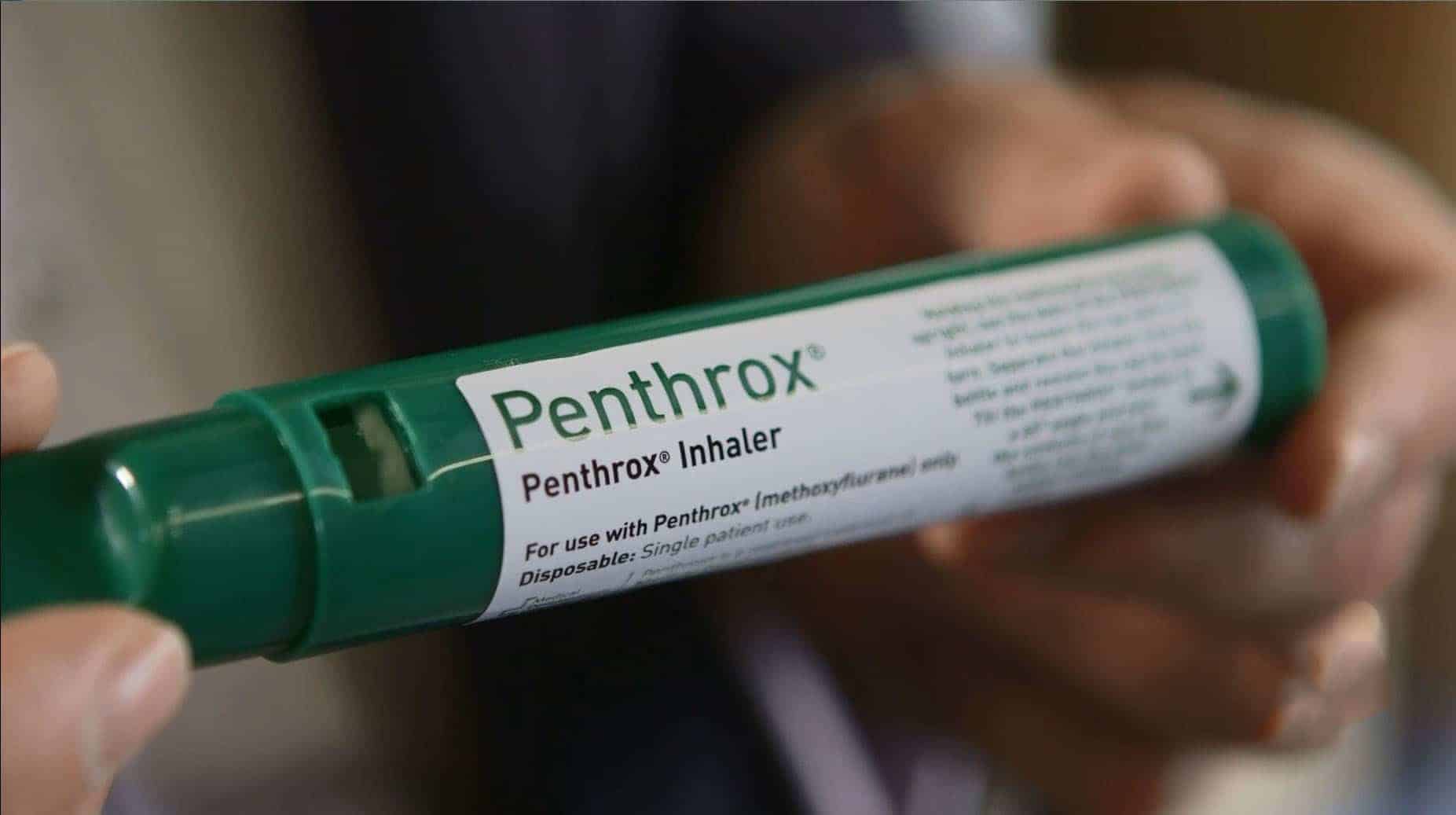
- Scene and individual safety and security prior to interventions. Use of validated discomfort scales, including options for nonverbal or cognitively impaired patients. Protocol-driven choices like methoxyflurane, intranasal fentanyl, ketamine for analgesia, or regional methods where scope allows. Monitoring, documents, and rise thresholds. Special populaces such as older adults, pregnant individuals, and those with material use disorder.
For teams that manage trauma, burns, cracks, or severe abdominal pain, a training course bearing PUAEme008 or straightened content can increase the floor on acute treatment standards.
The range of pain management training
The phrase pain management course covers a broad variety. Comprehending the rates assists you match your role, time, and finding out objectives with the ideal option.
Short programs in pain management. These commonly competed a day to a couple of weeks, in person or online. They target specific abilities: intense analgesia methods, bone and joint discomfort analysis, neuropathic discomfort differentiation, communication for chronic pain, or opioid stewardship. They fit clinicians seeking fast, relevant updates, and they can be an accessible way to rejuvenate present method without a major time commitment.
Certificate course suffering administration. A discomfort management certification training course typically requires a number of weeks to a few months, consists of evaluations, and might include case-based assignments. Completion produces a pain administration certificate that signifies structured knowing yet not a full expert accreditation. Excellent programs blend concept with technique, supply supervised instances or simulations, and assess decision-making in reasonable contexts. If your objective is to upskill and show a credential for your profile or medical professional credentialing, this level can be ideal.
Pain administration accreditation training course. Some jurisdictions and specialist universities supply formal discomfort administration certification, often requiring a much longer educational program, proctored exams, and medical hours. This pathway suits clinicians that prepare to specialize or lead service enhancements. The expression discomfort administration qualification can be utilized freely by some suppliers, so verify the issuing body, recognition in your nation, and any kind of continuing education requirements.
Role-specific training. Pain monitoring training for registered nurses ought to cover bedside analysis, titration, nonpharmacologic techniques, opioid safety on wards, discharge mentor, and escalation protocols. Pain management courses for physiotherapists ought to highlight rated activity, filling methods, discomfort neuroscience education, useful pacing, and return-to-function preparation, while incorporating with medical management. Pharmacologists, psycho therapists, physical therapists, and social employees each have actually programs customized to their payments within multidisciplinary care.
Emergency-focused programs. Emergency situation pain administration positions a premium on rate, protocol adherence, and safety and security. Expect airway-aware sedation, intranasal analgesia, nitrous or methoxyflurane usage where appropriate, ketamine analgesia dosing, and nerve obstruct basics. Programs based in PUAEme008-style expertises enhance these skills with simulation and tracking drills.
How to assess a pain administration training course prior to you enroll
Several features different significant education from box-ticking. Before you commit, look past the pamphlet and ask sharp questions.
Curriculum deepness and balance. Does the course integrate pain neuroscience, pharmacology, step-by-step abilities, and communication approaches? Overemphasis on any type of solitary device, especially opioids, is a warning. A trustworthy discomfort management training program will certainly string nonpharmacologic and functional approaches throughout.
Scope and acknowledgment. For a certificate course in pain administration, verify prerequisites, size, and whether the credential is identified by your employer, regulatory authority, or specialist body. For a pain administration accreditation course, verify recognizing bodies and whether it counts toward occupation innovation or scope expansions.
Teaching techniques. Pure lecture styles are less complicated to provide but hardly ever modification technique. Look for situation discussions, simulation, role-play for tough discussions, and assessment tasks that need you to synthesize plans under time pressure. Programs that market puaeme008 supply pain monitoring ought to include scenario-based drills.
Assessment and comments. Great training does not end at attendance. You must obtain details feedback on your medical thinking, step-by-step technique, charting, and patient communication. Without comments, efficiency does not improve.
Faculty and mentoring. Trainers with bedside reputation make all the distinction. Inspect biographies. Do they run pain solutions, practice in ED or ICU, or lead recovery programs? Do they share cases, mistakes, and functional decision trees as opposed to reciting guidelines verbatim?
Follow-up and assistance. Pain care advances. Look for post-course updates, optional pain management education for nursing situation testimonials, or graduates discussion forums. You want an area you can inquire regarding uncommon presentations or policy shifts.
The components every clinician should grasp, no matter discipline
Effective assessment. Begin with feature. Can the individual stay up, cough, bear weight, or sleep more than 2 hours at a stretch? Numerical ranges issue, yet practical metrics tie straight to care plans. For those who struggle to self-report, usage tools like the Behavioral Discomfort Scale or CPOT and triangulate with professional findings.
Clear differentiation. Mechanical reduced back pain requires a different technique than lumbar radiculopathy or central sensitization. Acute gout arthritis, complicated regional discomfort disorder, and diabetic neuropathy each have patterns that reveal themselves with targeted history and examination. A short pain monitoring training course that drills pattern acknowledgment can save months of trial-and-error.
Multimodal pharmacology. Acetaminophen and NSAIDs still carry the day for lots of conditions when dosed correctly and arranged as opposed to erratic. For neuropathic discomfort, first-line agents typically consist of gabapentin or pregabalin, SNRIs, or TCAs, keeping an eye on sedation, falls risk, and anticholinergic worry. Opioids have a duty in intense severe pain and choose persistent cancer-related cases, but the strategy should predefine period, objectives, and deprescribing steps.
Regional anesthetic options. In emergency pain management and perioperative shifts, basic nerve obstructs transform care. A fascia iliaca block for a hip crack can minimize delirium threat, allow positioning for back anesthetic, and cut opioid direct exposure. Excellent courses educate indicators, surface area landmarks, and, when readily available, ultrasound essentials plus anesthetic safety.
Nonpharmacologic treatment as first-rate treatment. Physio therapists, OTs, psycho therapists, and nurses bring strategies that medicines can not replicate: rated direct exposure to feared activities, rest combination strategies, pacing and power preservation, cognitive reframing, and breath help free silencing. The best proof for persistent reduced back pain renovation beings in this world, especially when patients get regular messages from an unified team.
Risk monitoring. Screen for opioid misuse danger with verified devices, yet do not decrease like a score. Take into consideration renal function when choosing NSAIDs, QT period when selecting methadone or TCAs, and breathing comorbidities with sedating agents. For older grownups, anticipate falls threat and delirium. Courses that cover risk stratification with useful application tables and tapering plans will change your technique on day one.
What discomfort management training appears like for nurses
Nurses commonly separate a patient's worst hour and their first alleviation. They titrate analgesia, notice subtle changes, and coach patients via movement and breath. Discomfort administration training for nurses should mirror that frontline reality.
Strong programs show systematic reassessment: not simply Is your discomfort better, but Did you climb out of bed or take care of to wash? They cover secure PCA usage and troubleshooting, acknowledgment of oversedation, and using capnography where suggested. They emphasize nonpharmacologic strategies that can be released quickly at bedside: warm or cool treatment, placing, splinting, taking a breath workouts, and diversion strategies customized to age and cognition.
Discharge education and learning is another core. Clients leaving medical facility frequently misinterpret opioid instructions, leading to either sudden discontinuation with rebound discomfort or long term usage. Programs must supply teach-back manuscripts, secure storage support, and clear guidance on when to look for aid. For nurses transitioning into sophisticated method functions, a pain administration certification can verify the additional pharmacology and suggesting expertise called for by the broadened scope.
What discomfort monitoring training looks like for physiotherapists
For physio therapists, pain is never ever simply a number. It is an obstacle to packing cells, re-training patterns, and restoring capacity. Pain management programs for physiotherapists should arm medical professionals with 2 complementary skill sets.
First, pain neuroscience education supplied in ordinary language. People profit when they recognize why hurt does not constantly equal harm, just how sensitivity can intensify signals, and why rated direct exposure jobs. Second, useful packing progressions that value irritation and develop tolerance: tempo control, isometrics for reactive ligaments, variable array techniques for shoulders, and rated weight-bearing for spine or hips.
Programs needs to also instruct partnership with prescribers, particularly throughout early rehabilitation when analgesia can make it possible for much better interaction. That includes identifying when a neuropathic discomfort component is blocking progress and prompting a medication review. The most important courses share layouts for goal setting, pacing plans, and flare administration so individuals can self-adjust without shedding momentum.
Designing your group's upskilling pathway
A single superstar can not deal with a service riddled with inconsistent pain care. Teams improve when they embrace usual frameworks and language. If you lead a service, take into consideration layering training.
Start with a shared short course that develops a standard: assessment, multimodal basics, nonpharmacologic approaches, and danger monitoring. Then pick role-specific modules. Registered nurses could finish a pain monitoring training for nurses bundle covering PCA, opioid security, and acute ecstasy avoidance. Physio therapists could pursue discomfort administration courses for physio therapists concentrated on rated direct exposure and return-to-work planning. If your service handles severe trauma, integrate an emergency situation discomfort monitoring module with simulation and nerve block practice. For prehospital or ED teams, map web content to PUAEme008 Give Pain Monitoring to standardize protocol adherence.
Finally, choose champs to embark on a longer discomfort administration certificate program or a recognized discomfort management certification course. They can mentor others, lead audits, and keep procedures. Real adjustment happens when brand-new skills are strengthened at handovers, ward rounds, and multidisciplinary meetings.

What a high-value educational program consists of, with examples that stick
Cases make learning memorable. If a program claims to give pain management program content that transforms behavior, look for situations like these.
A sickly, opioid-naive older grown-up with a hip crack. The training course should show how to incorporate acetaminophen, stay clear of NSAIDs if renal function is marginal, choose a fascia iliaca block, and start low-dose short-acting opioid with firmly established parameters, plus ecstasy safeguards. Emphasis on early mobilization and rest security makes additional points.
A 32-year-old with sciatic nerve pain that can not sit for 5 minutes, horrified concerning a herniated disc. The training course ought to demonstrate exactly how to evaluate for warnings, clarify nature, pair NSAIDs with a short steroid trial if appropriate, stay clear of long opioid prescriptions, and launch a rated directional choice program with a clear flare plan.
A postoperative person on a PCA who is still reporting extreme discomfort. The educational program must cover troubleshooting: inspecting tool use, resolving anxiousness, adding scheduled nonopioids, thinking about local rescue, and reflecting on for compartment syndrome or other problems if the story does not fit.
A patient with diabetic person neuropathy whose burning feet mess up sleep. The course must detail tests of SNRIs or gabapentinoids with sleep hygiene mentoring, foot treatment, and pacing for task, plus when to refer for refractory symptoms.
These situations force integration. They are the backbone of reliable discomfort administration training courses.
Measuring whether training worked
You can not boost what you do not determine. Before and after applying education and learning, choice metrics that matter.
- Time to very first analgesia and percent of patients receiving multimodal regimens in severe care. PCA-related unfavorable events per 1,000 tool days. Proportion of bone and joint individuals getting graded task plans within 7 days. Opioid prescribing at discharge in morphine milligram equivalents, with target arrays and follow-up plans documented. Patient-reported function, such as the capacity to carry out activities of daily living or rest with the evening, as opposed to just numeric pain scores.
Courses that include audit devices and dashboards make it less complicated to maintain gains. If a provider asserts to improve results, ask to see aggregated results from past cohorts.
Common pitfalls and how better training avoids them
Fragmented messages. Patients hear contradictory recommendations across techniques. Educating that aligns language and objectives stops whiplash and enhances adherence.
Overmedicalization of chronic discomfort. A slim concentrate on scans, treatments, or escalating medicines often workshops on emergency pain management intensifies handicap. Solid educational program facility function and self-management, scheduling intrusive steps for meticulously picked cases.
Opioid inertia. Either concern of suggesting inappropriately or worry of deprescribing causes poor outcomes. Education must gear up clinicians to begin, proceed, or taper opioids with clearness, documenting objectives, durations, and alternatives.
Neglecting sleep, mood, and social context. Pain lives in a person, not a body component. Programs ought to include brief behavioral tools, referral paths, and techniques for resolving socioeconomic barriers.
Underuse of regional strategies. In several hospitals, nerve blocks continue to be the domain name of a few lovers. Targeted training with basic procedures can scale accessibility securely and cut opioid exposure service-wide.
Choosing in between certificates and certifications
A pain management certificate from a trusted supplier can be sufficient to lead high quality renovation in your area, mentor associates, and freshen technique. It is accessible, time bounded, and commonly includes sensible tasks. A discomfort management accreditation, if identified by your expert body, can open up doors to sophisticated duties, professional positions, or leadership in multidisciplinary clinics. The trade-off is time, price, and a greater evaluation bar. Map the choice to your job perspective. If you aim to be the de facto discomfort resource for your group, a certification program suffering management coupled with a focused emergency or local component may be sufficient. If you plan to direct a pain program, champion opioid stewardship plan, or run complicated instance seminars, an official accreditation program is worth the investment.
Building a lasting learning habit
Courses trigger change. Practices maintain it. After ending up a discomfort management course, timetable brief repeating tasks that maintain abilities alive.
- Journal club each month including one pain-relevant paper, plus a five-minute method change pitch. Quarterly simulation or abilities refresher courses on nerve blocks, PCA troubleshooting, or interaction with complicated patients. Micro-audits each quarter on 2 metrics, provided at team huddles with a solitary agreed modification for the following cycle. Cross-discipline watching days to comprehend just how colleagues framework and resolve pain troubles, then integrate messaging.
These little loops do more than any solitary training burst. They installed pain monitoring training into your service identity.
Final ideas, with a practical bias
The finest discomfort education meets medical professionals where they are: bewildered by time pressure, taking care of clients with tangled backgrounds, and attempting to avoid harm while eliminating suffering. Whether you pick a brief abilities upgrade, a structured pain administration certificate course, or a longer pain management certification program, court the offering by its grasp on truth. Does it furnish you to act throughout a messy graveyard shift, a strained family members conference, or a stalled rehab strategy? Does it acknowledge source limitations while still aiming for better function and less harms? If it does, it will certainly repay in fewer complications, more positive teams, and people that feel heard and helped.

For emergency situation and prehospital medical professionals, aligning with PUAEme008 Supply Discomfort Monitoring material can standardize fast, risk-free analgesia. For nurses, a collection naturally customized to bedside titration, nonpharmacologic techniques, and discharge training will have an immediate impact. For physio therapists, programs that mix discomfort neuroscience with pragmatic loading strategies alter the trajectory of treatment. Throughout the board, look for pain administration training programs that integrate pharmacology, procedures, and the psychology of discomfort into a coherent, humane practice.
Credentials issue, yet capability issues much more. Choose training that sharpens the latter and lets the former follow.